
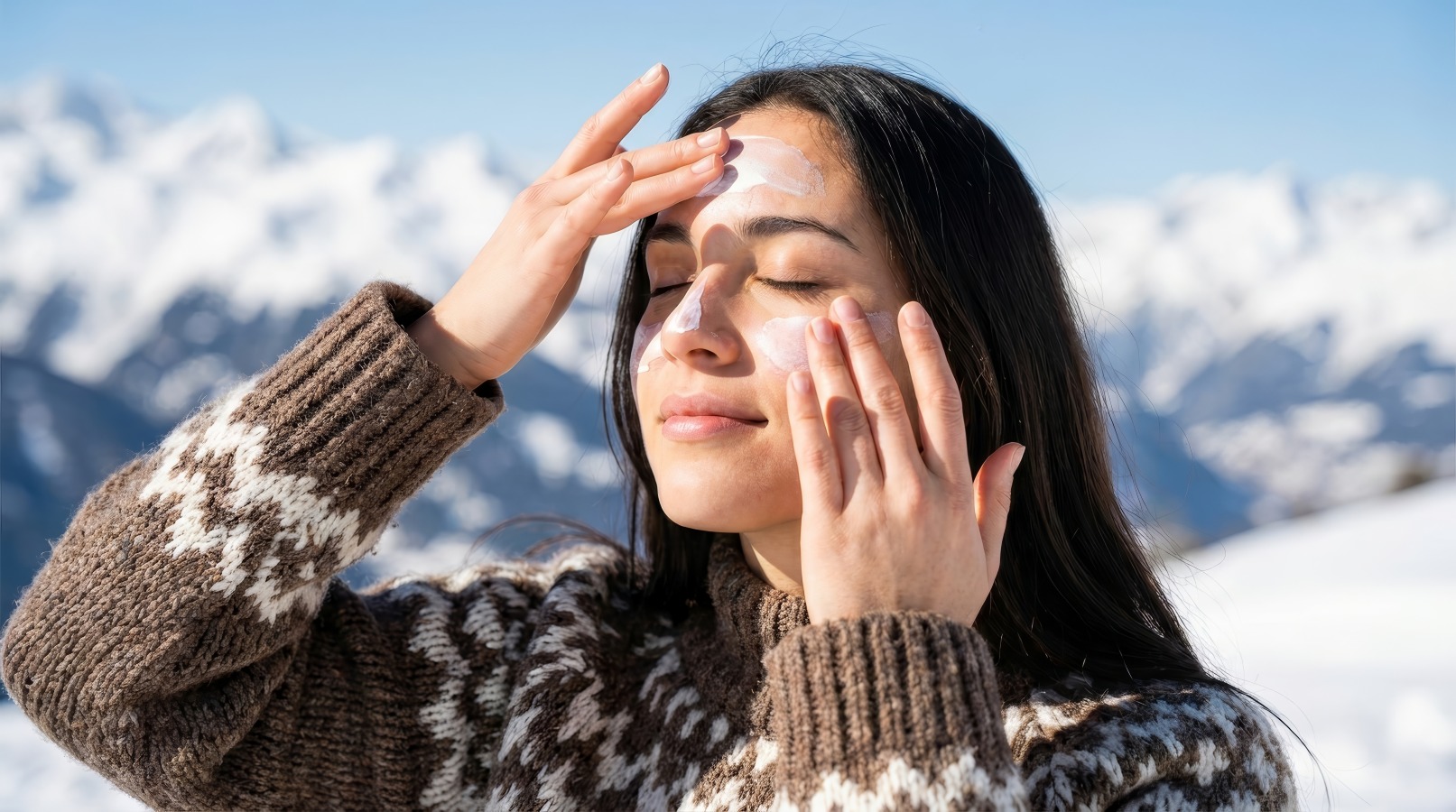
Most people pack away sunscreen with the beach towels once September hits. But the truth is that UV rays have little to do with how warm it feels outside. The sun’s warmth comes from infrared radiation, while skin damage comes from ultraviolet light, and ultraviolet light doesn’t take a winter break.
Protecting your skin isn’t just a “summer thing.” UVA rays can penetrate clouds and window glass at any time of year, and fresh snow can reflect up to 88% of UV radiation back onto your skin, which can nearly double your exposure on a bright winter day.
So, to answer your question: Yes, you should wear sunscreen, even in the winter. Here’s what SPF to reach for, and how to layer it so it doesn’t pill.
Key Takeaways
- Fresh white snow reflects up to 88% of UV radiation back onto your skin, nearly doubling your total UV exposure.
- UVA rays contribute to premature skin aging and long-term damage year-round, regardless of weather conditions or cloud cover.
- The Canadian Dermatology Association recommends broad-spectrum SPF 30 as your daily minimum.
- Swapping your lightweight summer gel for a hydrating cream or lotion base with glycerin or hyaluronic acid is one of the most effective fixes for pilling and dryness in cold weather.
Do You Actually Need Sunscreen in the Winter?
You still need to wear sunscreen in the winter because UV rays are present year-round, contributing to skin aging and long-term damage.
Cold temperatures have nothing to do with UV radiation levels. This is the most common misconception people have about winter skin care.
There are two types of UV rays to know:
- UVB rays: The burning rays. UVB intensity drops significantly during typical Canadian winters. It’s not uncommon to have a UV index as low as 0 or 1 on a January afternoon.
- UVA rays: The aging rays. UVA makes up approximately 95% of the UV radiation reaching Earth’s surface year-round. Unlike UVB, UVA levels vary less throughout the year.
UVA rays penetrate deep into your skin, where they break down collagen and elastin. This contributes to wrinkles, dark spots, and long-term cellular damage. Sun damage happens quietly all winter unless you’re protecting yourself with sunscreen and other sun protection.
Clouds offer very little protection from these harmful rays. Even light cloud cover still allows 80% to 90% of UV radiation to reach you at ground level.
You can read more about how UV exposure works year-round in our guide to why sun protection matters in every season.
Does Snow Reflect UV Rays?
Yes, snow is a powerful reflector, with fresh snow reflecting sunlight and up to 88% of incoming UV radiation. Compare that to roughly 15% for dry beach sand or about 10% for open water.
This means on a snowy day, you should be mindful of UV radiation from above and below. It’s like getting two doses of UV every time you go outside, essentially doubling your UV exposure.
Skiers and snowboarders face an added challenge. UV levels increase by 10% per 1,000 metres of elevation gain, which means a few hours on the mountain in December can match or exceed a summer beach day for UV exposure.
Should You Wear Sunscreen Every Day in Winter, Even Indoors?
You should wear sunscreen all winter, especially if you sit near windows or drive regularly.
Standard window glass blocks UVB rays but not UVA rays. According to the Skin Cancer Foundation, up to 50% of UVA radiation passes straight through standard glass windows. Sitting at a sunny desk, commuting by car, or spending time in a sunlit room all add up to a steady UVA dose throughout the day.
Sara A. Dudley, co-founder of Ava Isa, puts it simply: “Without the summer heat, people sometimes do not have the cue or mental reminder to apply sunscreen. That’s why it just needs to be part of your daily skincare routine. We always tell people sunscreen should be on your bathroom counter, not the bottom of your beach bag.”
A good health hack is to treat your SPF application like any daily bathroom routine, like brushing your teeth. Make it part of your non-negotiable morning routine, regardless of the day’s weather forecast.
What SPF Should You Wear in Winter?
Aim for broad-spectrum SPF 30 sunscreen at a minimum. If you apply less liberally, or are exposed to more sunlight during the day, consider SPF 50 daily.
SPF (Sun Protection Factor) measures the product’s ability to filter UVB rays. The “broad-spectrum” label includes UVA filters. Look for sunscreen that protects against both.
Here’s how the numbers compare:
- SPF 15 filters 93% of UVB rays.
- SPF 30 filters 97% of UVB rays.
- SPF 50 filters 98% of UVB rays.
- SPF 100 filters 99% of UVB rays.
That gap between SPF 30 and SPF 50 looks small, but it matters more than it seems. SPF ratings are based on a fairly generous layer of sunscreen, and most people apply much less than that. Use too little, and you’re getting less protection than the number on the bottle promises. A good rule of thumb is about a teaspoon for your face and neck.
The Canadian Dermatology Association recommends broad-spectrum SPF 30 as the daily minimum. But for extra protection, in case you apply too little, wear SPF 50.
For mineral sunscreen fans, Dudley notes that mineral formulas work just as well in winter: “A 25% zinc oxide-based mineral sunscreen will provide excellent protection against sunburn and also UVA into visible light.”
Ready to find your winter SPF? Browse sun care and sunscreen at Well.ca.
How to Layer Sunscreen in Your Winter Skincare Routine
The main reason people stop using SPF in winter isn’t that they don’t believe in the dangers of UV exposure. It’s because their sunscreen tends to pill or sit awkwardly on dry, cold-weather skin.
Medical Aesthetician Julia Barabas explains why this happens: “The filters don’t need to change in winter. The base they sit in does. Most people are still using the light fluid or gel they bought in July, and those are built to feel invisible in humidity. On dry January skin, the product just sits on top and rolls the moment anything goes over it. I look for a cream or lotion base with glycerin or hyaluronic acid fairly high in the ingredients.”
Board-Certified Dermatologist Dr. Debra Jaliman agrees, “The biggest mistake I see when people are using sunscreen in the winter is picking the wrong formulation. Don’t use a gel sunscreen in the winter because it’s more drying. Use one that’s super hydrating (a cream or lotion).”
Here’s a skincare layering order that actually works for winter:
- Apply serums first. Apply a light layer directly to clean skin and allow it to absorb. This can help prevent pilling, which may occur when sunscreen is layered over high-concentration vitamin C serums or silicone-based primers.
- Apply moisturizer. Choose a hydrating formula with glycerin or hyaluronic acid to smooth and prep your skin.
- Wait one to five minutes. This is important. Let the moisturizer absorb completely before applying sunscreen to prevent pilling. How long you need to wait depends on your skin and the formula.
- Apply sunscreen. Use a nickel-sized amount for your face and neck. Press it in with flat hands rather than rubbing (which rolls the product into threads). Wait at least one more minute before moving to the last step.
- Apply makeup last. If your makeup includes SPF, think of it as a bonus layer rather than a replacement for sunscreen.
Add a bonus layer of protection to your winter beauty routine with makeup with SPF.
Well.ca’s Winter Sunscreen Picks
Not all sunscreens behave the same on cold, dry skin. Here’s what the Well.ca team recommends as the best sunscreens to protect your skin for a Canadian winter:
COOLA Rosilliance Tinted Moisturizer SPF 30
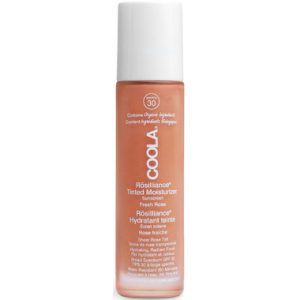
COOLA Rosilliance Tinted Moisturizer SPF 30 gives your skin a boost of hydration while protecting it with broad-spectrum SPF 30, with a sheer tint that adds a soft glow to dry winter skin. It’s non-comedogenic and made with over 70% certified organic ingredients, so it’s a great choice if you’re prone to breakouts or prefer cleaner formulas.
PUR Minerals 4-in-1 Tinted Moisturizer Broad Spectrum SPF 20
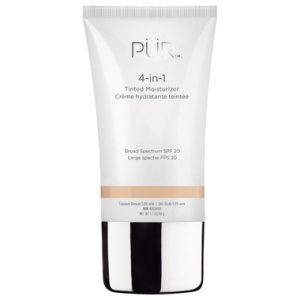
PUR Minerals 4-in-1 Tinted Moisturizer combines moisturizer, primer, and sheer-to-buildable coverage in one step, with hyaluronic acid to help hydrate dry winter skin. It leaves a smooth, dewy finish and comes in 16 shades, so it’s easy to find your match.
Riversol Daily Glow Mineral Sunscreen SPF 50+
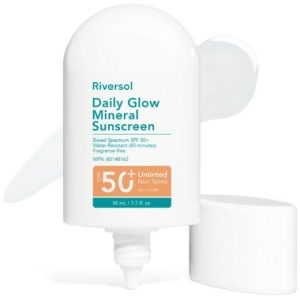
Riversol Daily Glow Mineral Sunscreen SPF 50+ uses zinc oxide for gentle, broad-spectrum protection that’s well suited to sensitive skin. Its lightweight, hydrating formula blends in without a white cast and leaves a soft, natural glow.
Sun Bum Daily Body Lotion SPF 50
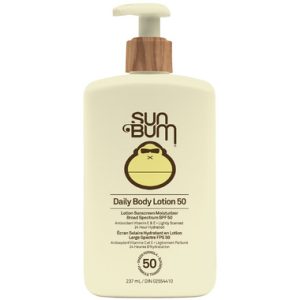
Your face isn’t the only skin exposed in winter, since your hands, neck, and chest catch UV too. Sun Bum Daily Body Lotion SPF 50 hydrates like your go-to body lotion with broad-spectrum SPF 50 and vitamin E, so it’s an easy daily swap for dry winter skin.
thinkkids Brush-On Sun Shield SPF 30
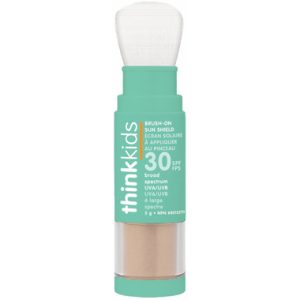
Don’t forget the kids this winter, since recess, weekend walks, and outdoor play all add up to UV exposure, even on cold or cloudy days. thinkkids Brush-On Sun Shield SPF 30 uses 24.5% zinc oxide in a mess-free brush, so it’s quick to sweep on before they head out the door.
Browse all face care sunscreens at Well.ca to find the best fit for you.
Your Skin Deserves Year-Round Protection
UVA rays don’t slow down in winter. Clouds don’t stop them, and windows don’t block all of them either. A snowy landscape can actually amplify them. The good news is that staying protected in winter doesn’t mean a complicated new routine. For most Canadians, it simply means layering a little more intentionally and making SPF 30 or higher a permanent part of your morning routine.
Ready to refresh your winter beauty routine and keep your skin protected year-round? Explore the Cold Weather Skincare Collection at Well.ca.
Frequently Asked Questions
What SPF Is Recommended for Winter?
The Canadian Dermatology Association recommends broad-spectrum SPF 30 as the daily minimum during winter. Broad-spectrum formulas protect against both UVB rays (burning) and UVA rays (aging and long-term skin damage).
Is SPF 50 Too Much for Winter?
SPF 50 isn’t excessive for winter use. The 1% difference between SPF 30 (97%) and SPF 50 (98%) may seem small, but SPF 50 provides better protection in real-world conditions. Many people apply less product than the tested amount. A higher SPF helps your skin maintain solid protection even with everyday under-application.
Does Snow Reflect UV Rays and Increase Sun Exposure?
Fresh white snow reflects up to 88% of UV radiation back onto your skin, according to Melanoma Canada. This adds a second UV dose from below on top of the UV coming from above, which can nearly double your total exposure during outdoor winter activities.
Should You Wear Sunscreen Every Day in Winter, Even Indoors?
Yes, you should wear sunscreen in the winter, especially if you sit near windows or drive regularly. Standard window glass blocks UVB rays but lets up to 50% of UVA rays through, according to the Skin Cancer Foundation. That steady indoor UVA exposure adds up to cumulative skin damage over time.
Do You Still Need Sunscreen on Cloudy Winter Days?
Yes. 80 to 90% of UV radiation passes through cloud cover. Clouds filter the warmth and visible light you can feel and see, but they don’t stop UVA rays from reaching your skin.


If you’re looking for more information on beauty and skincare, you’re in luck! I’m
Ever feel like there’s a new beauty ingredient you can’t stop seeing and hearing about? That all