
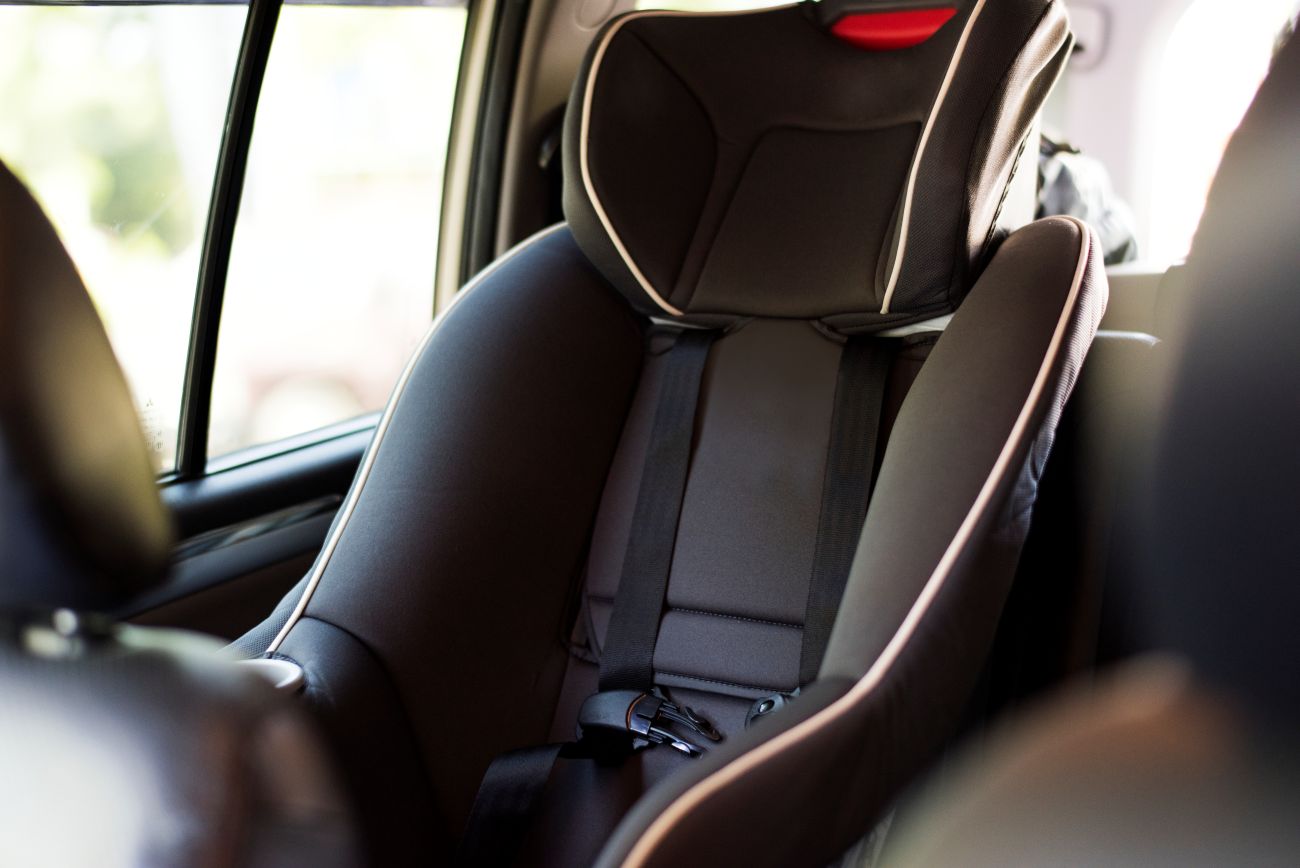
You’re pregnant, and picking a car seat feels like one more thing on an already long to-do list. Everyone you know has an opinion on which one is best, so we’re here to help you cut through the noise and make the right purchase for your family.
We cover the different types of car seats, the safety requirements you need to know about in Canada, when you should time your purchase, and our top picks.
How Do You Choose the Right Car Seat Type?
Car seats fall into three main categories: infant, convertible/all-in-one, and booster seats. Your child’s age, weight, and height determine which types are appropriate, while your vehicle and lifestyle should also factor into the decision.
Quick Summary
| Seat Type | Age Range | Weight Range | Direction |
| Infant | Newborn to about age one | Up to 22–35 lb (10–15.9 kg) | Rear-facing |
| Convertible | Infancy through the preschool years | About 5 to 65 lb (2.3–29.5 kg) | Rear-facing, then forward-facing |
| All-in-One | Birth through the booster years | Up to about 100–120 lb (45–54 kg) | Rear-facing, forward-facing, then booster |
| Booster | Until about age eight to 12 (or 4 ft 9 in / 145 cm) | 40 lb (18 kg) minimum | Forward-facing |
Limits vary by model, so check the label on your own seat.
Infant Car Seats
Infant car seats fit newborns and small babies, typically up to about 22 to 35 pounds depending on the model. They face backwards only, and most babies outgrow them around their first birthday.
The big draw is the carrier: it lifts straight out of the base without disturbing a sleeping baby, and it can click right into a compatible stroller. The trade-off is the shorter lifespan, since you’ll eventually need to upgrade to a convertible or all-in-one model.
Convertible and All-in-One Car Seats
Convertible car seats are built to grow with your child. They start out rear-facing until your child reaches about 40 pounds, then switch to forward-facing with a 5-point harness good for up to 65 pounds. All-in-one seats add a booster mode, so one seat can last from birth through the booster years.
One of their biggest benefits is that convertible seats work for multiple stages, so you’re not buying a new one every time your child grows. It also makes it easier to follow Transport Canada’s advice to keep your child rear-facing as long as the seat allows.
The trade-off is size: these seats are heavier than infant seats and stay in the car, so if your child falls asleep on a drive, you might wake them while lifting them out them out instead of simply lifting out a carrier. Convertible car seats tend to suit families who want one long-term seat and don’t need to switch it between vehicles very often.
Booster Seats
Booster seats are the last step, for children who have outgrown a harnessed seat. To use one, your child needs to weigh at least 40 pounds (18 kg) and sit properly for the whole ride, according to Transport Canada. A booster lifts them so the adult seat belt fits across their hips and shoulder.
Transport Canada also notes that most kids stay in a booster until they reach 4 feet 9 inches (145 cm), usually between ages eight and 12. Booster seat laws vary by province and territory, so check your local rules too. Both high-back and backless booster car seats work, though a high-back adds head support if your child tends to nap in the car.
How to Know If a Car Seat Will Fit in Your Vehicle
A seat that works in one vehicle may not fit in another, so it helps to know a few things about yours before you start comparing seats. In your back seat, look at:
· The cushion angle: A steep slope can throw off a rear-facing seat’s recline.
· The seat belt buckle and belt path: Note where they sit in each seating position, since a short or stiff buckle stalk can make some seats harder to install.
· The UAS (Universal Anchorage System) anchors: the metal anchors built into your vehicle that some seats clip onto. Not every seating position has them.
If a friend or family member has the seat you’re considering, you can ask to try it in your car first. And before you buy, check the details of the return policy in case it doesn’t fit once it’s installed.
What Safety Features Should You Look For?
When you’re comparing car seats, these are some key safety features to look for:
- 5-point harness: this harness holds your child at both shoulders, both hips, and between the legs, so a crash pushes against the sturdiest parts of their body.
- UAS (Universal Anchorage System): anchors built into your vehicle that a seat clips onto directly, so you don’t need the seat belt to install it. You may also see this called LATCH, which is the American name for the same system.
- Load leg: a support that runs from an infant seat’s base down to the vehicle floor. In a crash, it helps limit how far the seat rotates forward.
- Anti-rebound bar: a bar at the foot end of a rear-facing seat that rests against the vehicle seat back. After impact, it helps keep the seat from bouncing back as far.
- Side-impact protection: padding around your child’s head and sides, often expanded polypropylene (EPP) foam. It helps absorb the force of a side collision.
What Features and Accessories Are Nice to Have (But Not Essential)?
Extra features and accessories can make daily life easier, but they don’t replace the safety basics above. Here are a few worth a look for your convenience and your child’s comfort:
- Extra recline positions: to get the right angle in different vehicles.
- Removable, machine-washable covers for spills.
- A rain cover to keep your baby dry on rainy days.
- A swivel or 360-degree base that turns toward the door and saves your back.
- Removable cup holders, which are easy to clean and handy for snacks and drinks on longer drives.
- Newborn or infant inserts, extra padding that gives smaller babies a snugger fit and comes out as they grow.
- Sensor alerts that notify your phone or vehicle, for example, if the harness comes undone. They’re a backup, not a substitute for checking on your child yourself.
- Travel bags that protect the seat when you fly or store it.
Car Seat Safety and Compliance in Canada
Choosing the right type of car seat is half the equation. A car seat’s whole purpose is keeping your child safe, and that depends on more than just picking the correct one for their weight. Here are some other safety considerations that should factor into your decision and ongoing care.
What Are Canada’s Car Seat Safety Requirements?
Every car seat sold or used in Canada has to meet Canadian Motor Vehicle Safety Standards (CMVSS) and carry the National Safety Mark, a circular label with a maple leaf at its centre, found on the seat’s shell. Using a seat without it is illegal in Canada and can lead to fines, insurance trouble, and missed recall notices, according to Transport Canada.

Check for that label before you buy, and on any used or handed-down seat. If a seat doesn’t have it, don’t use it.
Canada and the USA have different car seat standards, so when you’re researching or buying online, make sure the details you’re reading apply to the Canadian version. The two can be hard to tell apart, since listings and reviews often look nearly identical.
Can You Reuse or Buy a Used Car Seat?
You can reuse a car seat for a second child or accept a hand-me-down, as long as it has never been in a crash, hasn’t expired, and still has its labels and parts.
Transport Canada recommends replacing any seat after a moderate to severe crash, even if it looks fine, because crash forces can leave hidden cracks. Before you accept a seat from a family member or friend, ask about its history and check that:
- It carries the National Safety Mark and has a readable expiry date.
- It has no active recalls, and the manual and original parts come with it.
- The harness straps are clean, unfrayed, and have never been machine-washed.
- The buckle latches with a click.
If the owner can’t answer these confidently, don’t accept the seat.
When Does a Car Seat Expire?
Most car seats expire six to ten years after they were made. The dates are stamped into the shell or printed on a label.
Plastic can wear down over time, especially with Canada’s swings from winter cold to summer heat. Safety standards also keep improving, so an older seat may not offer the same protection as a newer one. If you can’t find a date, contact the manufacturer. And whatever the date says, replace any seat that’s been in a moderate to severe crash.
When Should You Buy a Car Seat While Pregnant?
Aim to buy your car seat by the start of your third trimester, around 28 weeks, so you have time to install it by 36 weeks in case your baby arrives early.
Buying early means you don’t have to rush, and you’ll have time to do your research and add the seat to your registry if family wants to chip in. If someone else is buying it for you, make sure they know the exact model.
Once it’s installed, your local fire department or public health unit is often a good place to find a Child Passenger Safety Technician who can check your work, so it’s one less thing to think about before baby’s first ride home.
Do You Need a Car Seat for Every Vehicle?
You don’t need a separate seat for every vehicle, but every vehicle your child rides in needs a properly installed seat or base. If you split time between two cars or use rideshares often, you have a few potential options.
One option is a second base for your other vehicle. You install it once, and after that the carrier just clicks in and out, so there’s nothing to set up each time you switch cars.
The other is a lightweight seat that installs with the vehicle seat belt alone, which works well for rideshares and taxis since there’s no base to leave behind. It’s also an option for a two-car family who’d rather skip the cost of a second base, or who only switches cars occasionally.
The trade-off with the lightweight seat is that each time you move it to a different vehicle, you’re installing it from scratch, which takes a few minutes and leaves more room for error.
Once your child moves to a convertible seat, moving the seat between two cars gets harder. These seats are heavy, so swapping one raises the odds of an installation mistake. Transport Canada stresses that correct installation matters as much as the seat itself, which is why many families choose a dedicated seat for each vehicle instead.
The Right Choice is Yours to Make
Some parents want the portability of an infant seat. Others want the long-term savings of a convertible or all-in-one. Either way, there’s no single best seat, just the one that’s safe and right for your family’s needs. Whatever you choose, you’re already ahead by planning this early. When you’re ready, shop car seats at Well.ca.


As a doula, recovering from birth is one of my very favourite topics. We all know how much goes into

Motherhood is 24/7. It’s late nights cradling your little one back to sleep, and early mornings ge

Fall is here and that means, along with Thanksgiving and the change in weather, so is cold and flu s
Leave a Reply