
How to Take Care of Your Baby’s Skin This Canadian Winter

Many parents notice their baby’s cheeks turning red and rough as winter sets in and aren’t sure what to do about it. Their instincts are usually to reach for a thicker moisturizer or bundle up the baby more, but it’s not always clear what helps and what’s just hype.
Icy air outside and dry furnace heat inside both draw moisture out of a baby’s skin, and a newborn’s skin barrier isn’t developed enough to handle that. Here are six habits to build into your baby’s winter routine to keep their skin comfortable and irritation free until spring.
1. Bathe Smarter, Not More Often
Most days, a warm washcloth over your baby’s hands, face, and diaper area is enough to keep them clean. They don’t need a full bath every day. Three times a week is generally enough, especially in winter, when soap and water strip away the oils that protect their skin from dry air.
Lukewarm water is better than hot water, since hot water dries out their skin faster. Water alone is typically enough to clean a baby’s skin, but when you do use a cleanser, make sure it’s a mild, fragrance-free one.
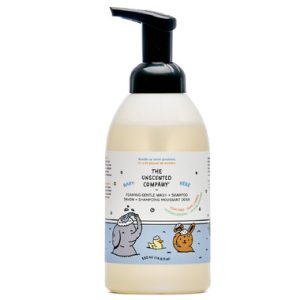
Well.ca Pick: Made from 95.15% natural ingredients, The Unscented Company’s Gentle Foaming Baby Wash + Shampoo is a great fragrance-free cleanser to keep your baby’s skin clean without drying it out.
2. Dress Your Baby in Breathable Layers, Indoors and Out
It can feel difficult to dress your baby in the winter because indoor and outdoor temperatures are so different. Layering is the best approach, so you can add or remove pieces as the temperature changes.
Start with a soft cotton or bamboo layer against the skin, which is breathable and won’t irritate dry patches, then add a fleece or knit mid-layer for warmth without bulk. Save the windproof outer layer for outside, and take it off the moment you’re back in a heated room. Dressing your baby in one extra layer compared to what you’d wear yourself is a good rule of thumb.
You should check the back of your baby’s neck occasionally. If it feels sweaty, they’re overdressed, which will make them uncomfortable and can bring on additional skin irritation from overheating.
3. Lock In Moisture Right After Bath Time
The few minutes right after a bath matter more than almost anything else in a winter skin care routine. Skin absorbs a small amount of water during the bath, so applying moisturizer while it’s still damp traps that moisture before it evaporates.
This works partly because of how baby skin is built. The outermost layer is around 20% to 30% thinner in infants than in adults, so it loses water faster than yours does. Aim for at least two applications of moisturizer per day.
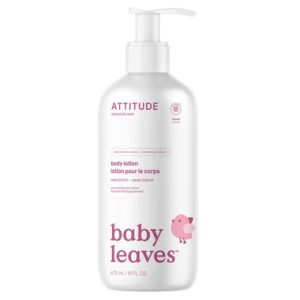
Well.ca Pick: If you’re looking for a lotion to keep your baby’s skin moisturized all winter long, we recommend ATTITUDE’s Baby Leaves Body Lotion. This unscented formula is infused with blueberry leaf extract to protect their sensitive skin.
4. Watch for Eczema Flare-Ups
Dry winter air doesn’t cause eczema on its own, but it’s a common trigger for babies already prone to it.
Eczema and ordinary winter dryness can look similar at first, but they behave differently. Regular dryness shows up as light flaking or rough patches that smooth out with a few days of consistent moisturizing. Eczema is more persistent and looks red, itchy, and scaly (sometimes appearing brownish, purple, or grey depending on skin tone) and it doesn’t clear up with lotion alone.
According to Dr. Maria Knobel, another way to tell the difference between eczema and regular dryness is whether your baby is itching. “If the baby is not itching despite having dry skin especially on the cheeks, it is probably not eczema.”
A fragrance-free moisturizer can help with mild irritation, but persistent, uncomfortable patches should be brought up with your pediatrician.
5. Use a Humidifier
Your furnace keeps your house warm, but it dries out the air as well as your baby’s skin.
Health Canada recommends a target range of 30% to 50% indoor humidity. Humidifiers are useful in the winter to maintain these levels. In a nursery, a cool-mist model is the best choice, as they tend to be quieter and there is no risk of burns from warm steam. Make sure to empty the tank daily and clean it with white vinegar every few days to keep bacteria from building up.
Well.ca Pick: Try the Frida Baby 3-in-1 Humidifier for your baby’s room. It’s designed specifically to achieve ideal moisture levels, with a gentle night light feature that provides a soothing ambiance.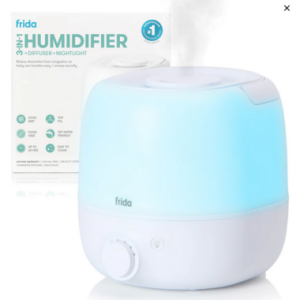
6. Shield Cheeks, Lips, and Hands From Wind Chill
A baby’s cheeks, ears, and lips take the brunt of a Canadian winter, even on a short walk outside.
The Canadian Paediatric Society points to the cheeks, ears, and other exposed areas of the face as the parts most at risk of frostbite in cold, windy weather. Clothing is one of the most important ways to protect against wind chill. A hat that fully covers the ears, along with mittens over the hands, blocks wind more effectively than any product can.
If your baby is in a stroller, a ventilated weather shield adds another layer of wind protection, as long as air can still circulate freely inside it.
Cheeks and lips are harder to cover completely, so a baby balm can protect them instead. A thin layer of a petroleum- or wax-based balm applied before heading outside adds a barrier that holds in moisture and blocks wind, unlike a water-based cream, which tends to wear off quickly in the cold.
Dr. Knobel recommends both clothing and a balm, saying “Having physical protection like fabrics will protect the skin more, but doing both will ensure the baby’s skin is fully protected from the effects of winter.”
Keep Your Baby’s Skin Comfortable All Winter Long
Red, chapped cheeks don’t have to be a given every winter. Every baby’s skin responds a little differently, so pay attention to what you’re seeing and adjust as you go. If dryness or irritation doesn’t let up, your pediatrician is the best next step.
Starting a few consistent habits now can spare your baby a lot of discomfort. Well.ca’s baby skin care collection has everything you need to build out a winter routine, all in one place.
Frequently Asked Questions
How Often Should I Moisturize My Baby’s Skin in Winter?
You should moisturize your baby’s skin at least twice a day in winter, ideally right after a bath while their skin is still damp. A fragrance-free moisturizer is gentler on sensitive winter skin than a scented one.
Does a Humidifier Help with a Baby’s Dry Skin?
Yes, running a cool-mist humidifier helps keep indoor humidity between 30% and 50%, which offsets the drying effect of dry winter air and takes some of the strain off your baby’s skin.
Can Winter Dryness Cause Eczema in Babies?
Winter dryness does not directly cause eczema, although dry indoor air and cold wind are common triggers for babies already prone to it. Ordinary dryness tends to clear up with regular moisturizing, while eczema shows up as red, itchy, scaly patches that don’t. Check with your pediatrician if a patch stays red or doesn’t improve.

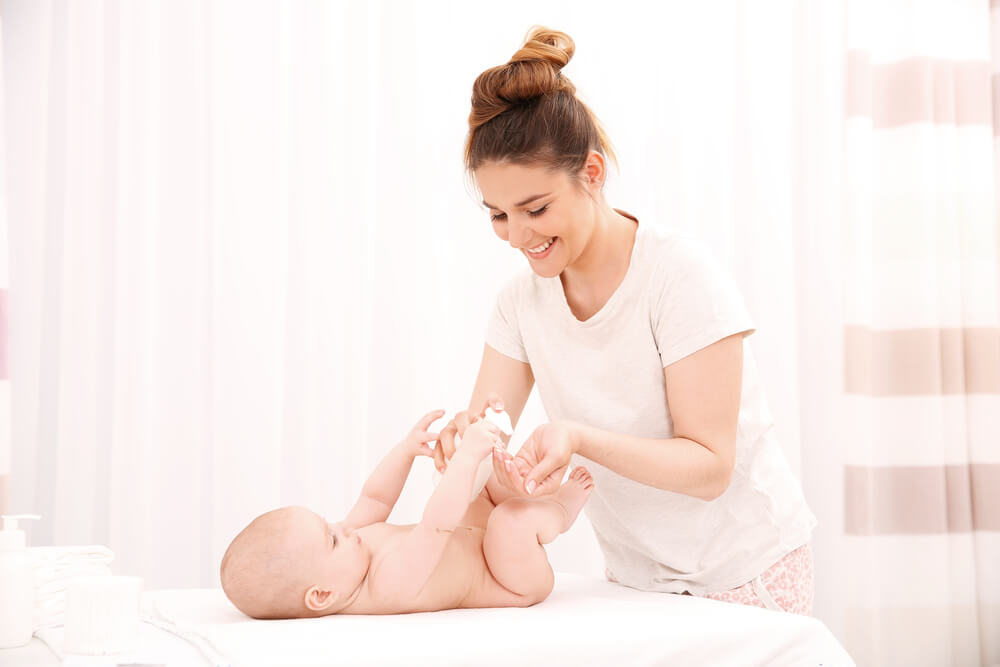
That old adage, “soft as a baby’s bum” is oh so true…especially when you’re a new mom
One huge perk of babywearing is having extra arms to get everything done. So often we as parents ha

We know life is busy. We know mornings are hectic. We know it’s difficult to keep everyone org