
How to Prevent Daycare Sickness (and Build Your Family’s Immunity)

If your kid has been sick more since starting daycare than in their whole life before it, you’re not imagining it, and you didn’t do anything wrong. Frequent colds are one of the most predictable parts of the first year of daycare.
Some of that is out of your hands, but not all of it. A few realistic habits can help keep your kid from getting sick at daycare quite so often and turning your entire routine upside down.
Key Takeaways
- Most young children catch eight to ten colds a year, with a typical cold clearing up in about a week.
- 15 to 20 seconds of handwashing, right after daycare pickup and before meals, is one of the easiest and most effective ways to cut down on germs spreading through your house.
- Missing work for a sick kid is a normal cost of the daycare years for Canadian parents, not a sign you’ve done anything wrong.
Why Kids Get Sick More Often at Daycare
Toddlers share toys, sit close together, and touch their faces all day, so whatever one kid catches spreads through the rest of the room fast. With each kid bringing in different germs, your child ends up meeting far more viruses than they would at home. Their immune system just hasn’t built up defences against most of them, yet.
According to the Canadian Paediatric Society, most young children catch eight to ten colds a year. Children in daycare tend to land at the higher end of this number because of how many germs circulate in a room full of toddlers.
Dr. Deidra Succo, Naturopathic Physician at Sonoran University, adds, “Frequent illness does not automatically mean a child has an immune problem, although concerns such as poor growth, recurrent severe infections, or frequent hospitalizations should be evaluated by a healthcare provider.”
When Does Daycare Sickness Get Better?
You’ll likely notice a real shift within your child’s first year of daycare, once they’ve built up some immunity to the viruses circulating in their class. In the meantime, a single cold usually clears up in about a week, and even a lingering cough or runny nose typically resolves within two weeks.
The worst exposure happens early on, right at the start of enrollment, which is why one cold can seem to roll straight into the next. Each illness your child catches and recovers from adds to their immune memory, so the frequency tends to drop as the year goes on.
Dr. Succo encourages you to “Think of these illnesses as training exercises for the immune system, not signs that it is failing.”
How to Prevent Daycare Sickness: A Checklist For the Whole Family
You won’t make it through a daycare year completely germ-free. But a handful of consistent habits, some for your child and some for you, can cut down how often bugs take hold and how hard they hit when they do.
1. Wash Your Hands When You Get Home and Before Meals
Have everyone wash their hands with soap and water for 15 to 20 seconds right when you walk in the door after pickup and again before snacks or meals. This cuts down significantly on germs spreading at home.
Keep hand sanitizer in the diaper bag for evenings when you’re out running errands or heading somewhere else after daycare pickup.
2. Clean Toys and High-Touch Surfaces
Wipe down high-touch surfaces like doorknobs, counters, and light switches a few times a week to cut down on how many germs spread through the house. When someone is actively sick, try to do this once per day.
Wash hard plastic toys with soap and water before disinfecting them. A simple solution of about one teaspoon of bleach in two cups of water works well for disinfecting most toys and surfaces afterward, according to Ottawa Public Health. Store-bought disinfectants also work well if you prefer not to mix your own.
Plush toys can be disinfected in a hot water cycle in the washing machine.
3. Take a Daily Vitamin D Supplement
Health Canada recommends a daily 400 IU vitamin D supplement for infants and young children. Most adults benefit from the same daily amount too, since food alone rarely provides enough and nobody’s getting much sun during Canadian winters.
As Dr. Succo explains, “Vitamin D supplementation may also help support immune function and reduce the risk of infections, with research showing the greatest benefits in children who are vitamin D deficient. Evidence suggests that correcting vitamin D deficiency can reduce the risk of upper respiratory infections and support a healthier immune response.”
4. Supplement With Zinc and Vitamin C for Picky Eaters
Picky eaters, especially kids who don’t get much fruit, vegetables, or meat, are the ones who typically need a zinc or vitamin C supplement. The same goes for adults with a similar diet.
Both nutrients support immune function: zinc by feeding immune cell activity and vitamin C by acting as an antioxidant.
Stock up on children’s vitamins and supplements and immune support for the whole family.
6. Protect Your Own Sleep
Sleep does more for your immune system than almost anything you can buy in a bottle. The Canadian Society for Exercise Physiology recommends seven to nine hours a night for adults, with consistent bed and wake-up times.
This can be difficult on the best of days, let alone when your toddler is sick. Do your best and remember that even small things add up, like moving your bedtime 15 minutes earlier when you can or taking a nap at the same time as your child.
The Overlooked Toll: Missed Work and Guilt
Nobody warns you how much daycare sickness costs in used-up sick days and apology messages for another cancelled call. Women with young children used an average of 7.7 family responsibility leave days in 2022, according to Statistics Canada data, and daycare-era illness accounts for a lot of that.
Between last-minute pickups, rescheduled meetings, and running on broken sleep, it wears on you in ways that have nothing to do with the cold itself. It also eats into the parts of life that have nothing to do with work, like family dinners you’re forced to bail on and plans with friends you keep having to reschedule. If you’ve burned through your paid sick days by October, you’re not alone.
A couple of things help before colds start piling up. Find out how many paid sick or family days you actually get at work, and how they work, before you’re scrambling to figure it out mid-crisis. And line up a backup, whether that’s a partner, grandparent, or friend, who can step in on short notice when you’re out of options.
Remember that staying home with a sick toddler isn’t a failure on your part. It’s just what the first year or two of daycare looks like, and it gets better as your child’s immune system catches up.
Well.ca’s Recommended Immune Support Supplements
For Kids
BioGaia Junior Immune & Gut Health with Vitamin D

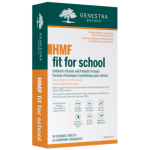
Genestra HMF Fit For School Probiotic Formula Chewable Tablets Blackcurrent
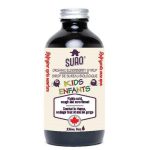
Nature’s Way Sambucus Kids Immune with Vitamin C & Zinc Gummies

For Adults
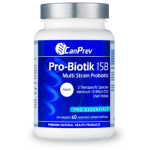
Suro Organic Elderberry Syrup Adult Formula

Nature’s Way Sambucus Immune Gummy Elderberry

Daycare Sickness Is a Phase, Not the New Normal
Right now it might feel like your household will never string together a healthy week, but this phase won’t last forever. Handwashing, regular toy and surface cleaning, and solid nutrition for the whole household won’t stop every cold. But they’ll cut down how often illness moves through your home and how hard it hits, without turning your routine upside down.
Prepare your whole family for the daycare years with immune support from Well.ca.
Frequently Asked Questions
When Do Kids Start Getting Sick Less Often?
Most kids see fewer colds after their first year in daycare, once their immune system has built some defence against germs they weren’t exposed to at home. By age three or four, most families notice a real drop from that rough first year.
How Can I Keep My Child Healthy at Daycare?
Focus on a handful of consistent habits rather than trying to avoid every cold. Wash hands for 15 to 20 seconds after pickup, clean shared toys and surfaces regularly, and take a daily vitamin D supplement. None of this stops every cold, but it lowers how often germs take hold.
Is It Normal for My Child to Get Sick Constantly in Their First Year of Daycare?
Yes. Eight to ten colds, sometimes more, in that first year is typical, since your child’s immune system is meeting community germs for the first time. Poor growth, severe infections, or repeated hospital visits are the exceptions worth flagging to a doctor.
This article is for general information and isn’t a substitute for medical advice. Talk to your child’s healthcare provider before starting any new supplement or if you have questions about your child’s health.


The holidays are just around the corner, which means that it’s time to start making your holiday

Happy Earth Month! We’re trying to use this month to think about how we make greener choices f