
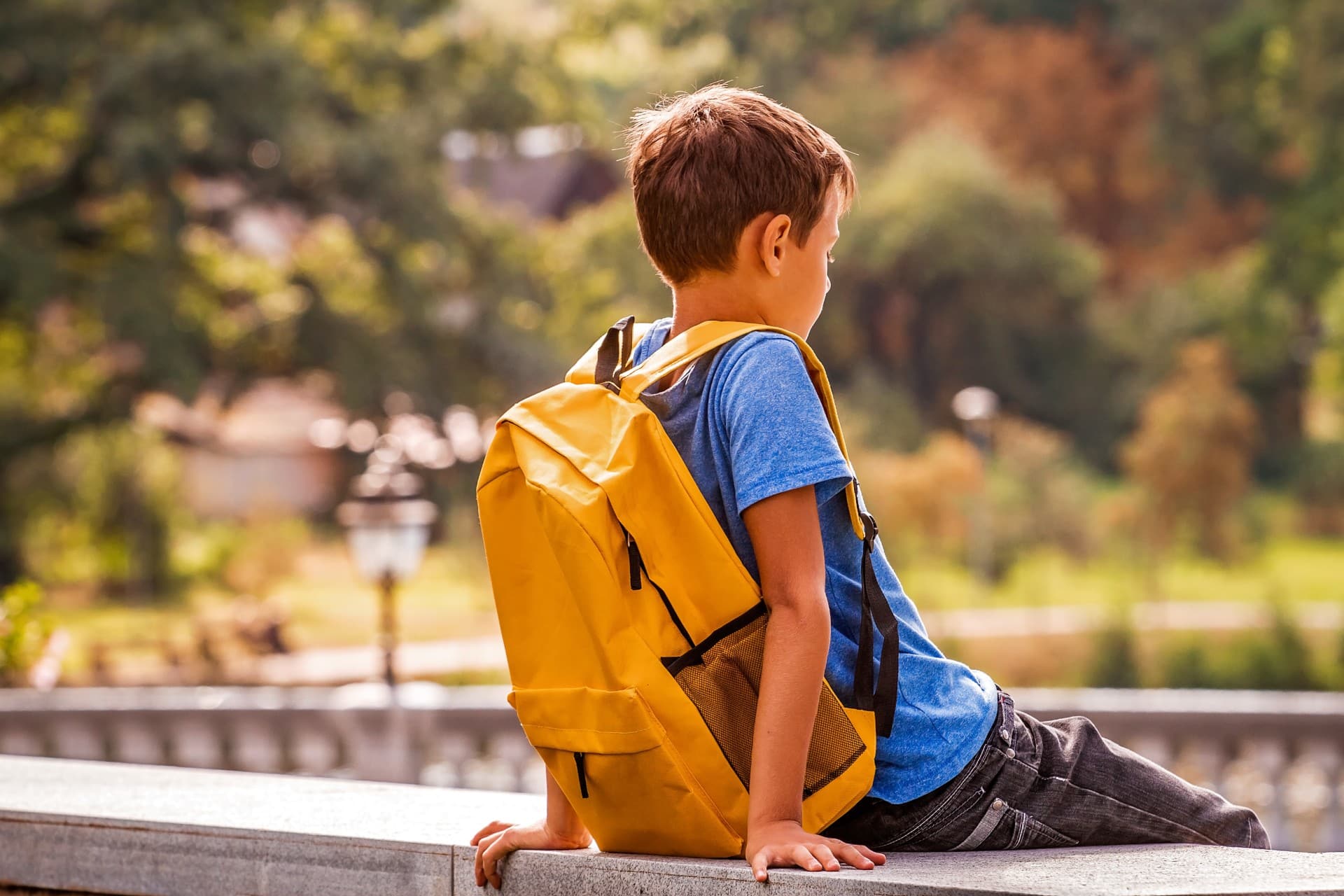
Choosing the right backpack for your child’s age and stage might seem easy, but it’s worth considering what features are important for your specific kid. Read on for how to build the perfect backpack for back to school.
A school backpack has a surprisingly tough job. It has to carry lunch without squashing it, hold a water bottle without leaking all over a library book, survive being dropped on the playground on the daily and somehow make it home with at least some of the things that went to school that morning.
While kids may choose a backpack based entirely on colour, pattern or whether it features their current character or show obsession, parents need to think through what features are most important for their child.
The good news is that selecting a backpack doesn’t have to be complicated—it just requires some forethought about what the school year might bring. Keep reading for everything you need to consider when selecting, packing and organizing the perfect backpack for your kiddo.
How to Choose the Right Backpack Size for Your Child
The perfect backpack starts with the right size—and bigger isn’t necessarily better. Start with a bag that fits the essentials and leaves enough room for the mysterious things that will inevitably make their way home.
Look for a bag that suits your child’s frame, with comfortable, adjustable straps. Younger children generally need less capacity than older students, who will need to carry larger books, devices and binders. For bigger kids who will need to cart around substantial weight, you can look for built-in sternum straps and hip belts to help stabilize the backpack and distribute the weight more evenly.
Shopping by age is a useful starting point. Jan & Jul, for example, offers 15-litre kids’ backpacks geared toward ages four to eight, as well as 17-litre youth backpacks for ages eight and up. Herschel Supply also offers school bags in a range of sizes and kid-friendly designs, making it easier to size up as kids grow.
Before committing, think about what actually has to go inside. If a lunch bag needs to fit in the backpack, bring it into the equation. Same goes for a laptop, large binder or anything else your child carries every day.
How Many Backpack Compartments Does Your Child Need?
One giant compartment may seem like it offers the most space, but it can also turn a backpack into an abyss of discarded pencils, wrappers and forms (that you no doubt were supposed to sign and send back last week). A few well-placed pockets make it easier for kids to find what they need without dumping the entire contents of their bag onto the classroom floor—or the kitchen floor when they get home.
Think about your particular kid and what they’ll carry every day. An exterior water bottle pocket keeps drinks upright and away from books and electronics. A smaller front pocket is handy for things they need to grab quickly, and older kids may benefit from a padded compartment for a laptop or tablet. Just don’t go overboard: Too many tiny pockets can make it harder to remember where anything is. The sweet spot is enough organization to give everything a home without requiring a legend to find it.
Looking for a place to start the search? Check out Jan & Jul and Herschel for options that work for every age and stage.
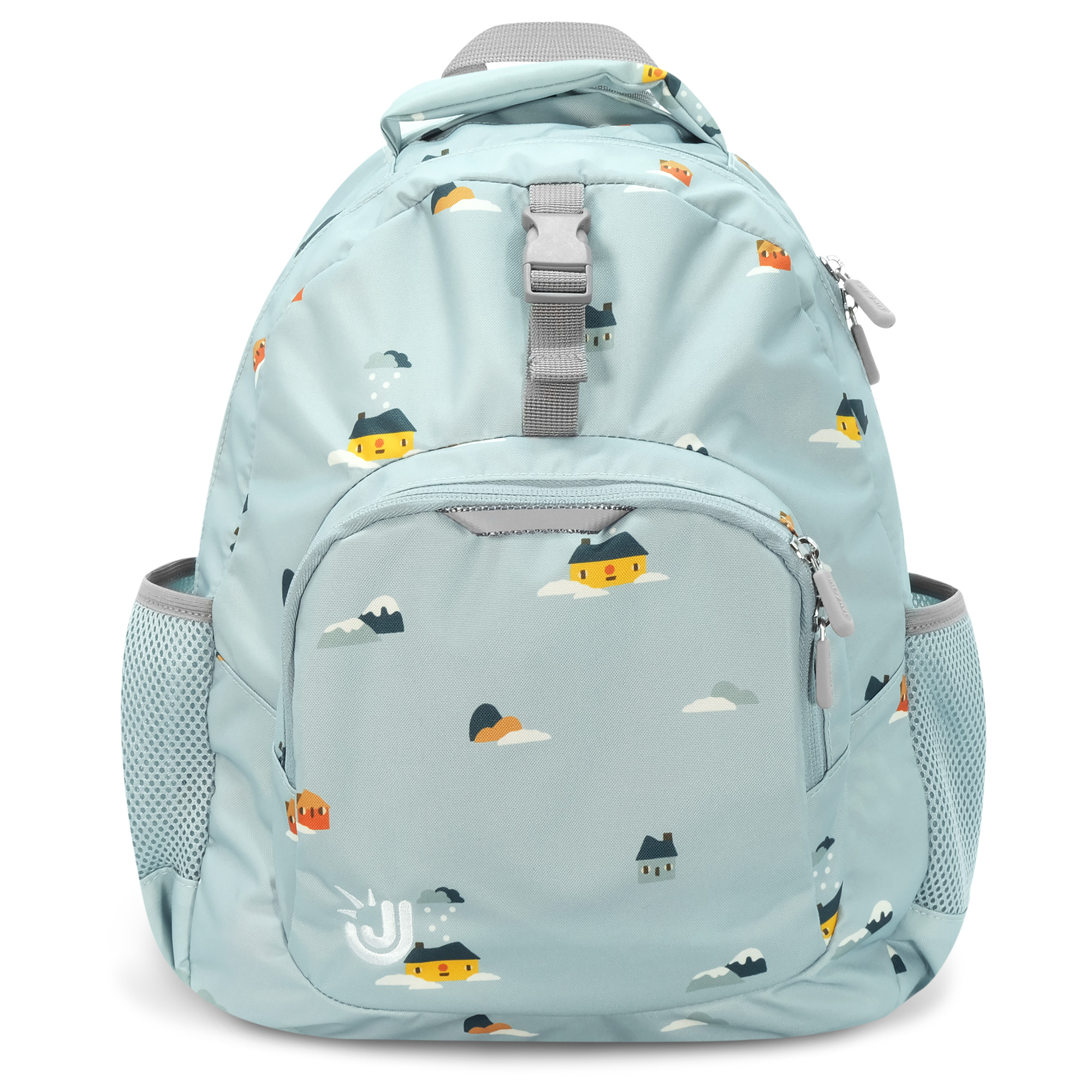
Jan & Jul Kids Backpack Home Sweet Home; Shop Here
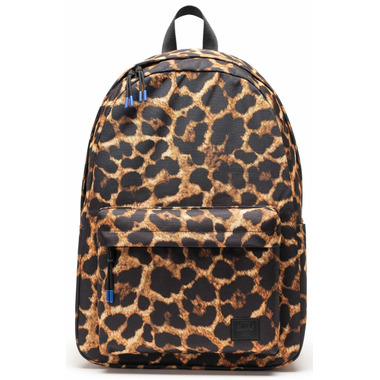
Herschel Supply Classic XL Backpack Leopard Light; Shop Here
Choosing the Right Water Bottle Size for Kids
Bigger isn’t always better when it comes to school water bottles.
An enormous bottle might make sense for sports and after-school extracurriculars, but for school, think about how much water your child needs, how much weight they can comfortably carry and whether the bottle fits securely in their backpack or a designated exterior pocket. If you tick all of these boxes but still worry they won’t have enough to drink, don’t forget: They can always refill the bottle throughout the day.
Leak resistance matters, too, particularly if the bottle is going inside the backpack rather than in an exterior pocket. And for younger kids, make sure they can easily open, close and refill it themselves. The Owala Kids FreeSip is designed specifically for kids, while Hydro Flask and Asobu also offer smaller drinkware options that make sense for little hands and backpacks.
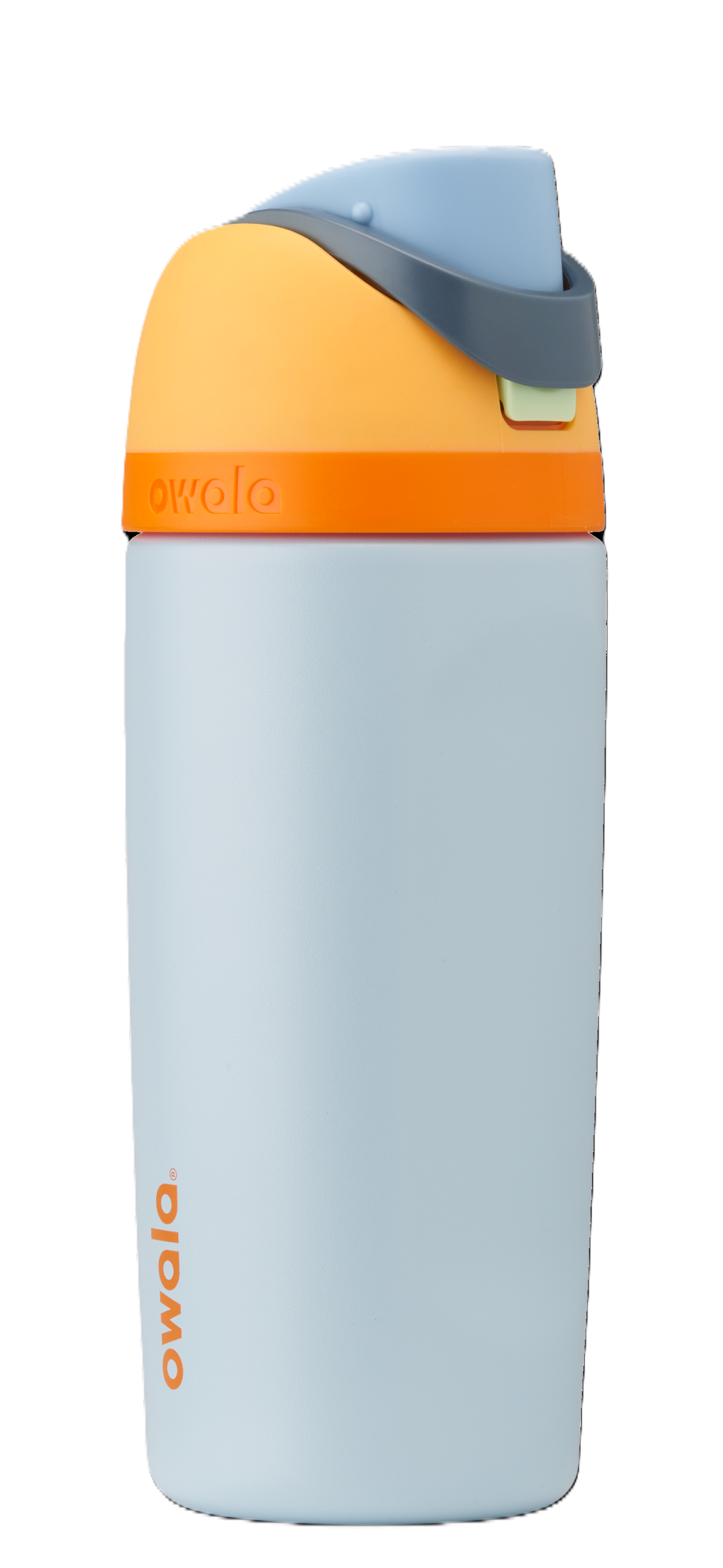
Owala Kids FreeSip Water Bottle Day Dreams; Shop Here
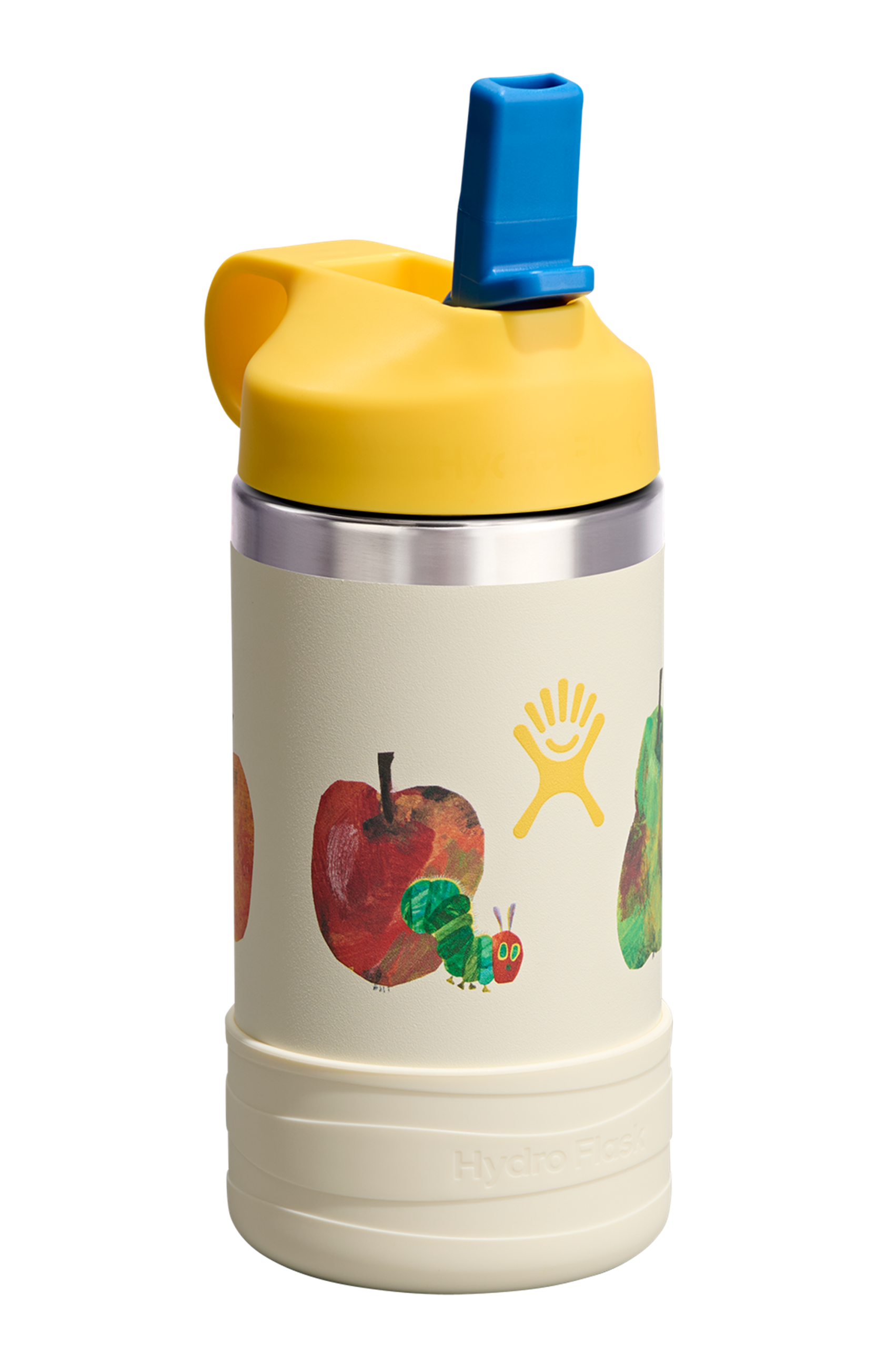
Hydro Flask Kids Wide Mouth with Straw Cap & Boot Fruit Snacks; Shop Here
Build a Just-in-Case Kit
The goal here is not to prepare your child for six weeks in the wilderness. A few well-chosen extras are plenty.
For younger kids, that might mean tissues, a spare pair of socks and an extra snack. Older kids might want lip balm, menstrual products, hair elastics, antiperspirant or a small bottle of hand sanitizer. (Important note: If your child needs medication or other health-related items during the school day, follow your school’s rules for storing and administering medication rather than putting it in your child’s backpack.)
Corral these comfort items in a zippered pouch or small sealable container, like the cosmetic and wet bag options from The Somewhere Go, or a more discreet Jan & Jul pencil case, so they don’t migrate to the bottom of the bag, never to be seen again.
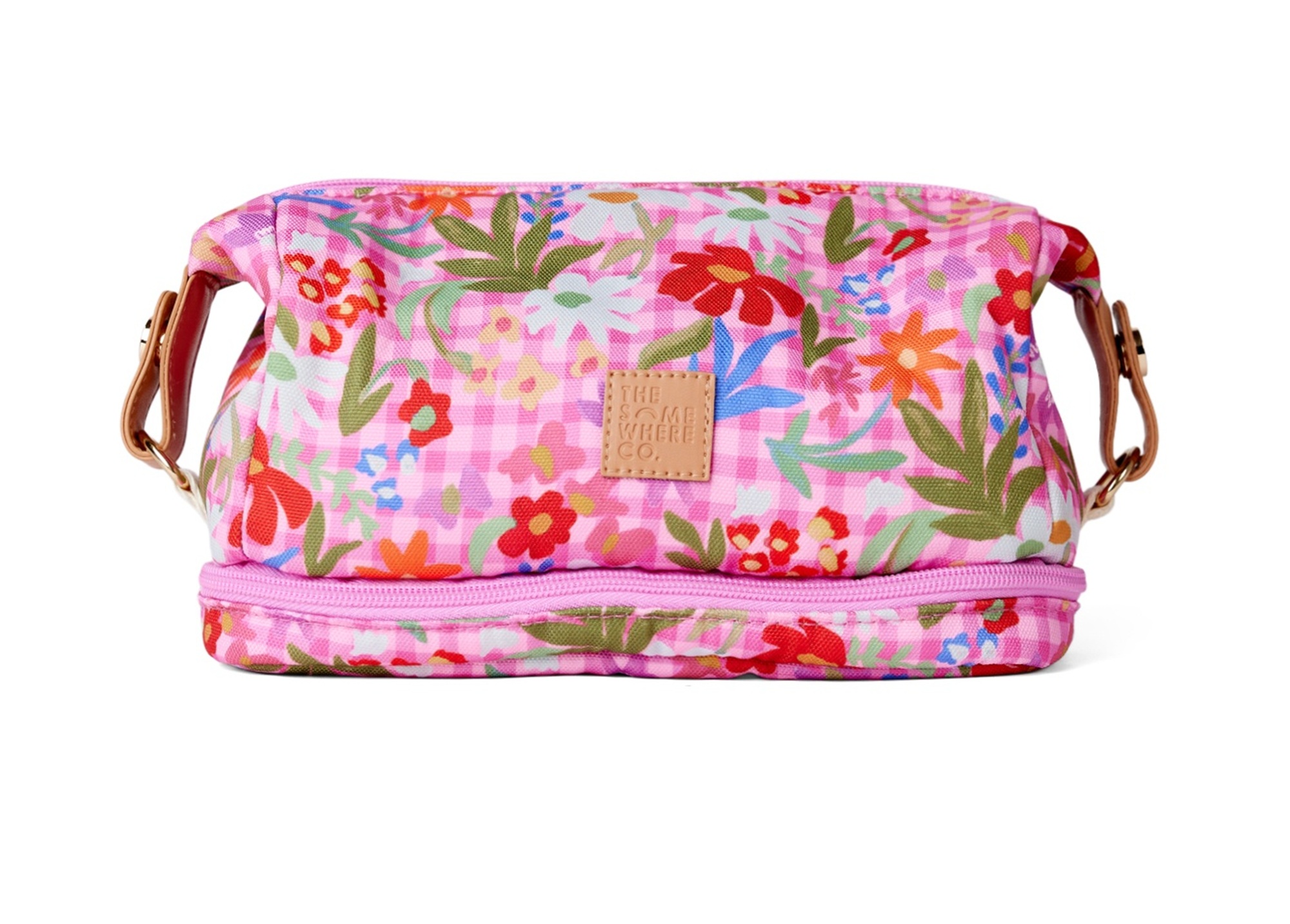
The Somewhere Co. Cosmetic Bag Flowerburst; Shop Here
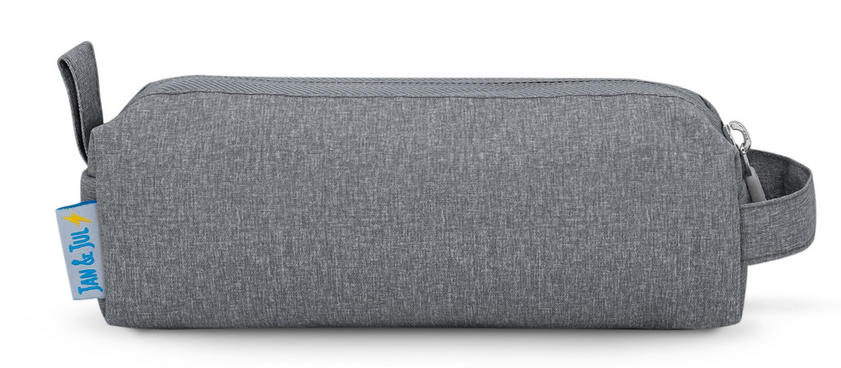
Jan & Jul Pencil Case Heather Grey; Shop Here
Back-to-School Supplies: What Kids Actually Need
Once you have the official school-supply list, stick fairly closely to it. Your child probably does not need 48 markers, seven notebooks and enough glue to wallpaper the gymnasium—and they no doubt won’t have the backpack space anyway.
Keep frequently used supplies together in a pencil case and replenish them at home as needed. A few colourful OOLY markers or pencils can make everyday supplies more fun, while Tiger Tribe offers compact creative activities that can work well for downtime or after-school care.
And if you have a nervous student on your hands, let them pick out an Aurora Palm Pal to clip to their bag for moral support.
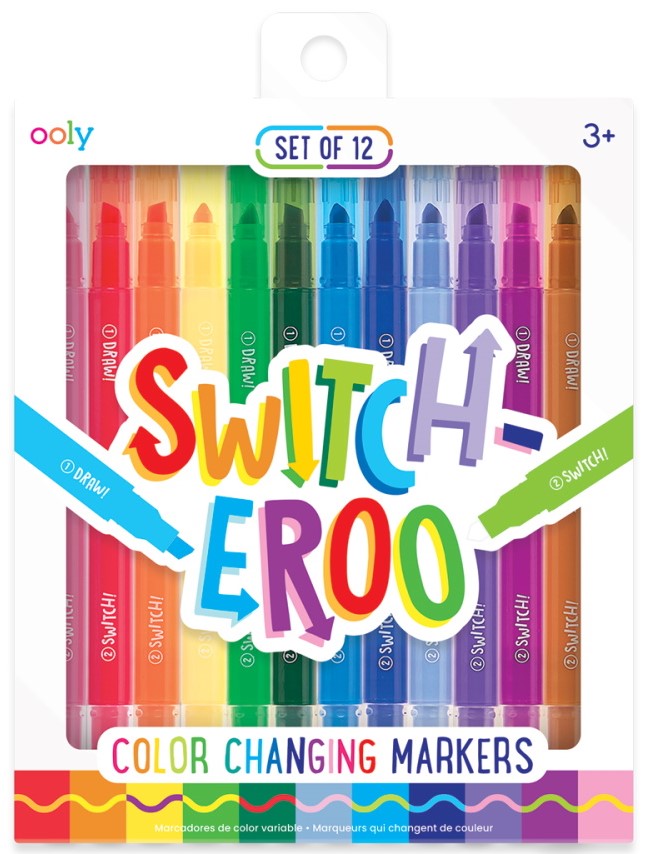
OOLY Switch-eroo! Color-Changing Markers 2.0; Shop Here
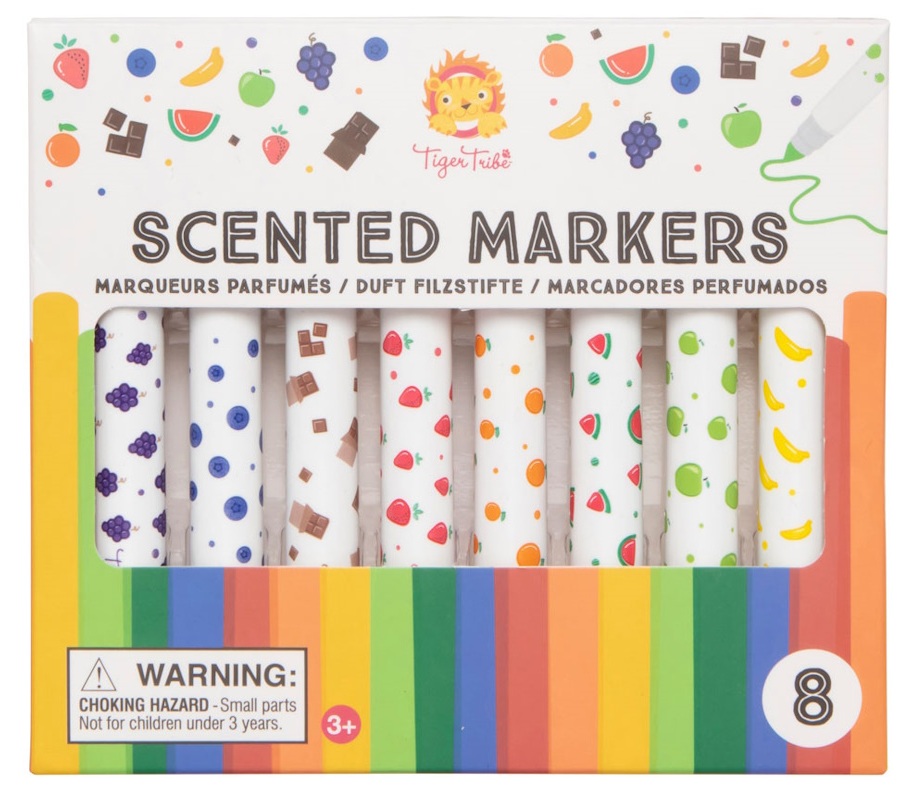
Tiger Tribe Scented Markers; Shop Here
Leave Some Space
This may be the most overlooked but most important rule of backpack packing: Don’t fill it.
Kids need somewhere to put artwork, permission forms, clothing they finally located in the lost and found and the inexplicable construction-paper creation that absolutely cannot bend under any circumstances. And as the school year progresses, there will inevitably be library books, projects and other things making the trip back and forth, too.
If you need a benchmark for overfilling, leave enough room for an extra book and a sweater. That should do it. If you’re playing backpack Tetris before the first day of school, something probably needs to come out.
Do a Trial Run
Have your child pack their backpack on their own and put it on. Have them walk around for a few minutes, take it off and put it back on again. Can they manage the zippers and buckles? Reach the pockets they’ll need? Does the bag stay comfortably in place or are they already tugging at the straps?
If it’s awkward, overly heavy or stuffed to capacity before school has even begun, edit. Move heavier items closer to their back, adjust the straps and take out anything they don’t really need to carry every day.
Because the perfect school backpack isn’t the one carrying the most stuff. It’s the one your kid can comfortably carry, open, organize and—with any luck—not lose before the end of the first term.

I am a mom of two young kids and I know firsthand just how hard it is to keep them safe from those d
Summer is quickly fading away, and kids will soon be heading back to school. For me, my daughter wil
Our guts are made of trillions of microorganisms. This is called “the microbiome”. Our microbiom