
What Vitamins Should You Take Postpartum? A New Mom’s Guide

You just had a baby. You’re sleep-deprived, still healing, and somehow need to support the health and wellbeing of a tiny human as well as yourself. It can feel like a lot, but keeping up with your vitamin and nutritional needs is one way to help give you the energy and physical support you need in those exciting “new mom” days.
Here’s the thing to keep in mind: your nutritional needs have just changed from your pregnancy and pre-pregnancy days. Your previous nutritional routines may not best support your postpartum recovery. Regardless of whether you’re breastfeeding, knowing which nutrients to prioritize can make a real difference in how you feel and the wellbeing of you and your baby in the weeks and months ahead.
This guide breaks down exactly which vitamins and minerals matter most postpartum, why, and how to choose a supplement that actually supports your body right now.
Key Takeaways
- Postpartum is the period of recovery and adaptation. The “clinical” recovery is the first six to eight weeks after birth, but full physical, hormonal, and emotional recovery takes 12 months or longer for many women.
- A postnatal vitamin is a supplement designed to meet the unique demands of this phase. The core nutrients to prioritize include iron, vitamin D, DHA, choline, B12, and calcium.
- Breastfeeding significantly increases your needs for vitamin D, choline, and DHA, while your iron needs decrease compared to pregnancy.
- Postpartum hair shedding is normal and hormonal, and deficiencies in biotin, iron, zinc, and vitamin D can slow regrowth.
Do You Need a Different Vitamin After Giving Birth?
Yes, for most people, your prenatal vitamin isn’t sufficient for postpartum. Switching to a dedicated postnatal formula postpartum helps support your body’s changing needs, including your nutritional needs if you’re breastfeeding.
During pregnancy, your blood volume increases by 50%, and you need 27 to 45 mg of iron daily. Postpartum, your iron needs drop to around 9 mg daily while you’re not menstruating. Continuing your high-iron prenatal vitamin when you no longer need it can cause real discomfort, including constipation, cramping, and nausea.
At the same time, your need for other nutrients actually increases postpartum. Lactation increases your need for vitamin D, choline, and vitamin B12, beyond what most prenatal formulas provide.
A dedicated postpartum vitamin supplement can support these changing needs better than your typical multivitamin or a prenatal vitamin.
Should You Keep Taking Prenatal Vitamins Postpartum?
Sticking with your prenatal vitamins short-term (the first few weeks after birth) is fine. But your doctor will likely recommend transitioning to a postnatal formula designed for recovery and lactation for your longer-term health and recovery.
Ask your doctor or registered dietitian what makes sense for your specific situation. Your needs may differ if you had significant blood loss during delivery, if you’re breastfeeding, or have other health and wellness considerations.
The Key Vitamins and Minerals to Take Postpartum
As you’ll soon realize, being a parent often means prioritizing. To help, here are the typically recommended vitamins and minerals to focus on in your postpartum period, and why each one matters:
- Iron: Delivery involves blood loss, and postpartum anemia is more common than many people realize, affecting 69-79% of women within the first 12 months after the birth. Justine Lewis, APRN, FNP-C from Just Wellness notes that “Low iron can contribute to fatigue, weakness, brain fog and feeling generally depleted, symptoms that can easily get written off as “normal new-mom exhaustion.””
- Take your iron supplement on an empty stomach with vitamin C to maximize absorption, and avoid taking it within two hours of consuming calcium or calcium supplements.
- Vitamin D: Canada’s northern latitude makes it difficult to get enough vitamin D from natural sunlight year-round. The Canadian Paediatric Society recommends that pregnant and lactating individuals discuss supplementation of up to 2,000 IU daily with their provider. Breastmilk naturally contains very little vitamin D, which is why breastfed babies also need a separate liquid supplement of 400 IU (10 mcg) daily from birth.
- DHA (Omega-3): DHA is a fat that supports brain and vision health. Infants receive it through your milk and mothers usually need at least 200 mg of DHA daily during lactation to support their infant’s health.
- Choline: Choline supports infant brain development and is found in high concentrations in breastmilk. You likely don’t get enough through diet alone, so including Choline in a supplement helps lactating moms. You can also boost choline intake through food sources like eggs and legumes.
- Vitamin B12: Primarily found in animal products, this vitamin supports your neurological recovery, red blood cell production, and energy levels. If you follow a plant-based diet, B12 supplements are especially important.
- Calcium: If your diet is low in calcium while breastfeeding, your body will pull it directly from your bones to maintain the right level in your milk. Getting enough calcium through food and supplements protects your bone density during and after lactation.
What Vitamins Help With Postpartum Hair Loss?
Postpartum hair shedding is common. It’s usually temporary and primarily hormonal. After birth, your estrogen levels drop, which pushes a large percentage of hair follicles into a resting and shedding phase simultaneously. This condition is called telogen effluvium, and it typically peaks around three to four months postpartum.
Supplements won’t stop the hormonal shedding, but they can support faster regrowth. The key nutrients to focus on for hair health and regrowth include:
- Biotin: Supports keratin structure and hair follicle function.
- Iron: Low iron stores are one of the most common contributors to prolonged shedding. Getting your levels checked postpartum is worthwhile if you’re concerned about the level or longevity of your postpartum hair loss.
- Zinc: Supports cellular repair and tissue growth of your hair follicles.
- Vitamin D: Deficiency has been linked to disrupted hair cycling and slower regrowth.
The good news is that most postpartum formulas cover these bases. If you’re concerned about the severity or duration of your hair loss, bring it up with your doctor.
How Long Should You Take Postpartum Vitamins?
Many women will take their postpartum vitamins at least as long as they’re breastfeeding, and sometimes longer if they need additional nutritional support.
If you’re nursing, continue a targeted postnatal vitamin for the full duration of lactation. Your nutrient needs remain elevated the entire time you’re producing milk.
If you’re not breastfeeding, continue taking your postpartum multivitamins for at least four to six weeks after delivery. This supports your body’s recovery from the birth and pregnancy.
Throughout your postpartum recovery period, assess your health and nutrition with your healthcare provider regularly. They can perform a blood panel to check your vitamin and mineral levels to see if additional supplementation or nutritional changes are needed to support continued recovery.
How to Choose a Postpartum Vitamin
With so many options out there, here’s what to actually look for:
- Third-party testing: Look for products verified by an independent testing body like NSF, USP, or ISURA (a Canadian-based option). Third-party testing confirms the product contains what the label claims and is free from heavy metals or contaminants.
- Breastfeeding-safe formulation: Check that the formula doesn’t include unnecessary herbal ingredients or fillers (including artificial dyes, food allergens, and excessive iron) that could pass into breastmilk. When in doubt, ask your pharmacist or healthcare provider.
- Bioavailable nutrient forms: Not all forms of a nutrient are absorbed equally. Look for methylfolate (instead of folic acid) if you have concerns about folate metabolism, and iron bisglycinate over other forms of iron if you’re sensitive to the gastrointestinal side effects.
- Appropriate iron levels: A good postnatal formula should reflect your lower daily postpartum iron needs. Your postpartum iron needs drop to around 9 mg daily, compared to the 27 to 36 mg you needed during pregnancy.
- Professional guidance: If your delivery involved significant blood loss, or if you were deficient in any nutrients going into the postpartum period, a registered dietitian can help you build a supplement routine that matches your actual needs.
Well.ca’s Picks for Postpartum Vitamins
Bird&Be Postpartum Pack
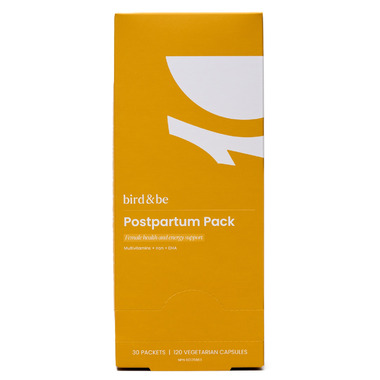
Bird&Be’s Postpartum Pack is formulated by OB-GYNs and naturopathic doctors to help replenish what your body lost during pregnancy and birth, with essential nutrients like iron, choline, vegan DHA (Omega-3), B12, and biotin, so you’re not left guessing what you’re missing. It’s divided into daily packs to simplify your routine, and it’s free of artificial colours/dyes, gluten, dairy, nuts, shellfish, and soy.
Nordic Naturals Prenatal DHA – Good for Hair Loss
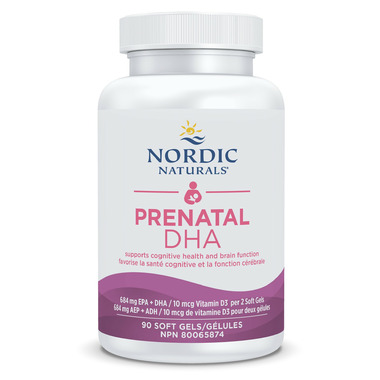
Nordic Naturals’ Prenatal DHA is a great option if you’re experiencing postpartum hair loss, with 480 mg of DHA per serving. It contains no artificially derived colouring, flavouring, or preservatives, and uses Nordic Naturals’ Gold Standard Arctic Cod Liver Oil.
MegaFood Baby and Me 2 Postnatal Multi – Multi-Vitamin Option
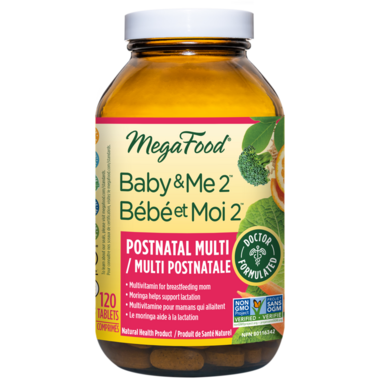
MegaFood’s Baby and Me 2 Postnatal Multi is a great choice if you’re looking for a postpartum multivitamin. It supports your postnatal nutrition with key nutrients like vitamin C and D3, plus real food ingredients like organic oranges and brown rice. It also includes choline to support your baby’s healthy brain development, and organic moringa leaf to support milk production.
Everydae Mama Support Postnatal Vitamin
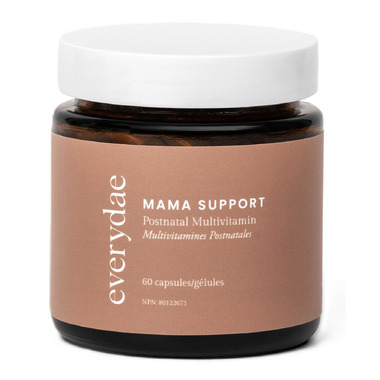
Everydae’s Mama Support Postnatal Vitamin has 23 essential nutrients to help replenish what your body lost during pregnancy and rebuild your energy during the postpartum period. Research-backed doses come in an easy-to-absorb form, so your body can actually put them to use.
Motherlove Goats Rue Breastfeeding – Supports Lactation
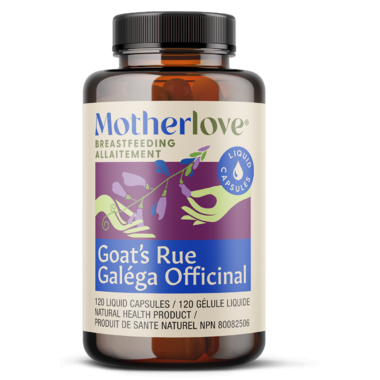
Goat’s rue is known to support lactation and the development of mammary tissue. This postnatal vitamin can help if you didn’t see much breast growth during pregnancy, have had previous breast surgeries, or are an adoptive mother building a milk supply.
Prioritize Postnatal Vitamins For Your Recovery
The postpartum period is physically and mentally demanding on your body. The right postnatal supplement will help, but it’s better alongside balanced nutrition. Supplementation can help support your recovery, energy, and breastmilk quality and supply.
Supplements work best as part of a nutrient-dense diet, not as a replacement for one. Canada’s Food Guide is a good reference point for building meals that cover your foundational needs.
Ready to find a postnatal vitamin that works for you? Shop postnatal vitamins at Well.ca and check in with your healthcare provider regularly to ensure your health and recovery needs are met.
Frequently Asked Questions
Do postnatal vitamins actually do anything?
Yes. Your body’s needs change dramatically during postpartum and your previous nutritional and supplementation routine may not meet your current needs. Postnatal vitamins help fill specific nutritional postpartum gaps, like choline, DHA, and vitamin D. They also help balance iron and B12 after the increased demands of pregnancy and delivery.
What vitamins do you need if you’re breastfeeding versus not breastfeeding?
If you’re breastfeeding, prioritize nutrients that transfer through your breastmilk to your infant, including vitamin D, DHA, choline, and B12. Your iron needs will also decrease until menstruation returns, so ensure that your diet and postnatal vitamin accounts for this change to avoid constipation and discomfort from high iron levels in your body.
If you’re not breastfeeding, your nutrient needs shift to replenish iron lost during delivery, support tissue healing with folic acid, and rebuild bone density with calcium and vitamin D.
A basic postpartum multivitamin covers the essentials for non-nursing moms, while lactating moms benefit from a more targeted formula.
This article is for informational purposes only and is not a substitute for professional medical advice. Always speak with your healthcare provider before starting, stopping, or changing any supplement.


Leandro Avila, PharmacistLeandro has 6+ years of pharmacy experience and specialized training in top

Everyone can benefit from a health boost, but depending on your stage of life, certain nutrients can

A lot of moms struggle with the idea of owning a diaper bag; partly because the thought of both owni